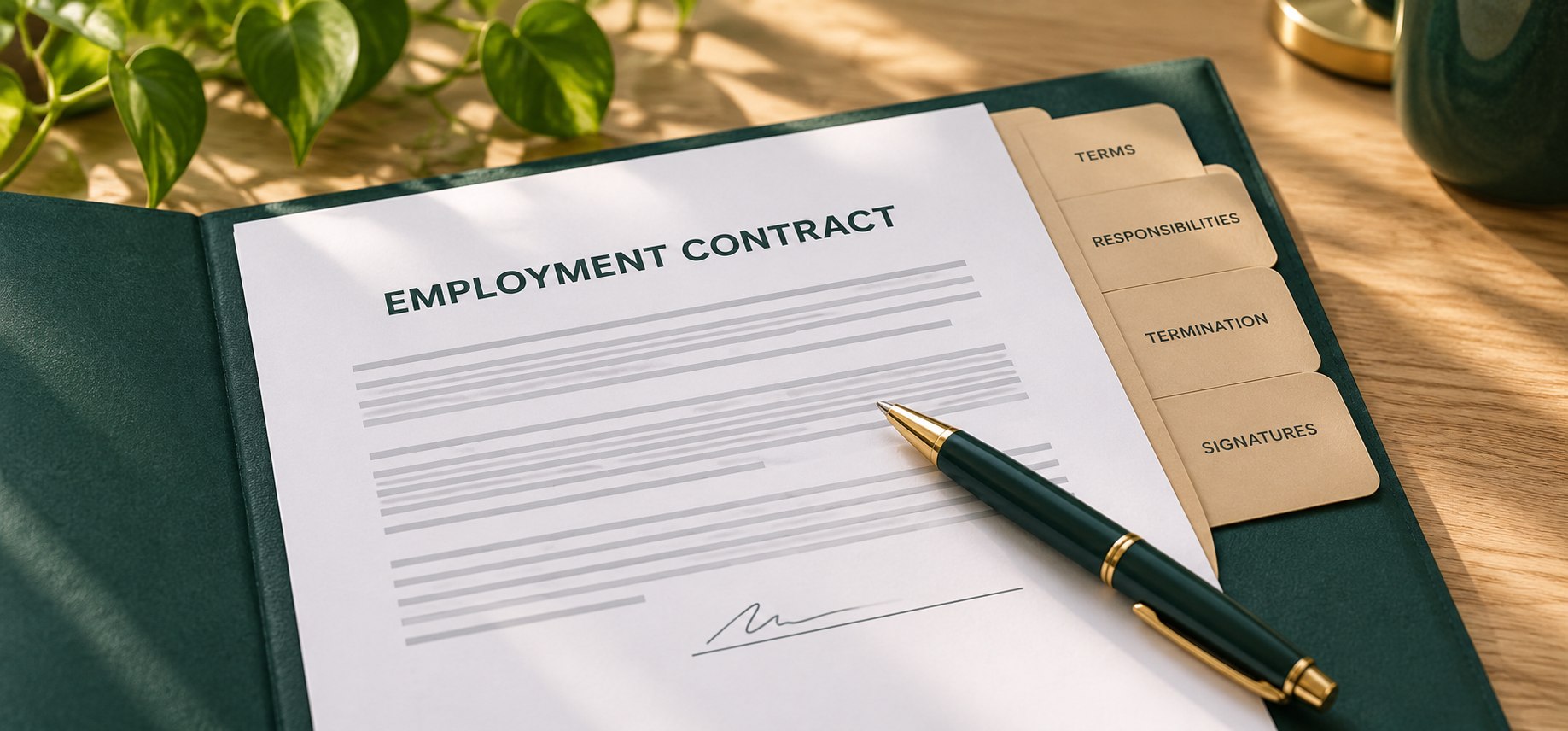
Dismissing an employee without following the correct disciplinary procedure is one of the most common (and most expensive) employment law mistakes a Saint Lucia business can make. The Labour Act sets out a clear process that must be followed. Skipping stages, or failing to document each stage properly, creates significant legal exposure.
Why the process matters
An unfair dismissal claim in Saint Lucia can result in reinstatement, compensation, or both. The test is not only whether the employee did something wrong: it is whether the employer followed a fair and documented process before reaching a decision. Even if the employee's conduct is clearly unacceptable, a dismissal without proper procedure can be found to be wrongful.
The six stages
Stage 1: Investigation
Before any formal action is taken, the employer must investigate the complaint or concern. This means:
- Informing the employee in writing of the allegation
- Giving the employee a reasonable opportunity to respond to the allegation
- Documenting the findings of the investigation in writing
- Sharing those findings with the employee before proceeding
The investigation stage is often skipped or treated informally. It should not be. Written records of what was alleged, what was found, and how the employee responded are essential.
Stage 2: Verbal Warning
A verbal warning is not an informal conversation. It is a formal step that must be:
- Given in a formal meeting
- Documented in writing immediately after the meeting
- Clear about what behaviour is required to change and by when
- Signed by the manager and either witnessed or acknowledged in writing by the employee
Keep a signed record. A verbal warning with no documentation cannot be relied upon at a later stage.
Stage 3: First Written Warning
The first written warning must:
- Reference the verbal warning that preceded it
- Set measurable improvement targets
- Clearly state the consequence of non-compliance
- Give the employee the right to respond in writing
- Be filed in the employee's personnel record
Do not skip stages
Jumping from a verbal warning directly to a final written warning, or from a first written warning to dismissal, without following the correct sequence exposes the employer to an unfair dismissal claim, even if the conduct is serious. The exception is gross misconduct, which has its own track (see below).
Stage 4: Final Written Warning
The final written warning must:
- Reference all previous warnings by date
- Be explicit that dismissal is the next step if improvement is not achieved
- Set a final improvement period with clear, measurable targets
- Give the employee the right to be accompanied by a colleague or union representative
Stage 5: Disciplinary Hearing
Before any dismissal decision is made, a formal disciplinary hearing must be held.
Disciplinary hearing requirements
- Minimum 48 hours written notice to the employee before the hearing
- The employee has the right to be accompanied by a colleague or union representative
- The outcome of the hearing must be communicated to the employee in writing
- The employee has the right to appeal the outcome
Stage 6: Outcome
Four possible outcomes from the hearing:
- No action
- Final written warning
- Demotion
- Dismissal: with notice pay as required by the Act
Whatever the outcome, it must be communicated in writing, with the employee's right to appeal clearly stated.
The appeal process
The employee has five working days from the outcome to file an appeal. The appeal must be heard by a senior person not involved in the original case. The appeal outcome is final and must also be documented.
Summary dismissal: gross misconduct
For gross misconduct, the process moves directly to Stage 5 (the disciplinary hearing) without the need to complete the earlier warning stages. Gross misconduct includes theft, fraud, violence, serious insubordination, breach of confidentiality, and intoxication at work.
A disciplinary hearing is still required before the dismissal is confirmed. Summary dismissal does not mean instant termination without any process: it means the warning stages are bypassed, not the hearing.
The audit trail
Every stage must be documented, dated, and retained in the employee's personnel file. If a case ever reaches the Labour Department or a formal dispute process, you will need to demonstrate not just that you followed the procedure, but that you have the records to prove it.
What to Keep on Record
- Written investigation notes and the employee's response
- The signed, dated verbal warning record
- First and final written warnings, each referencing the one before it
- The hearing notice, attendance record and written outcome
- Any appeal request and its outcome
SafeDocs Case Management tracks every stage of a disciplinary case and builds the audit trail automatically, from investigation to outcome.
See How Case Management Works